Foxglove Folklore: Fairies, Gloves, and Folk Medicine
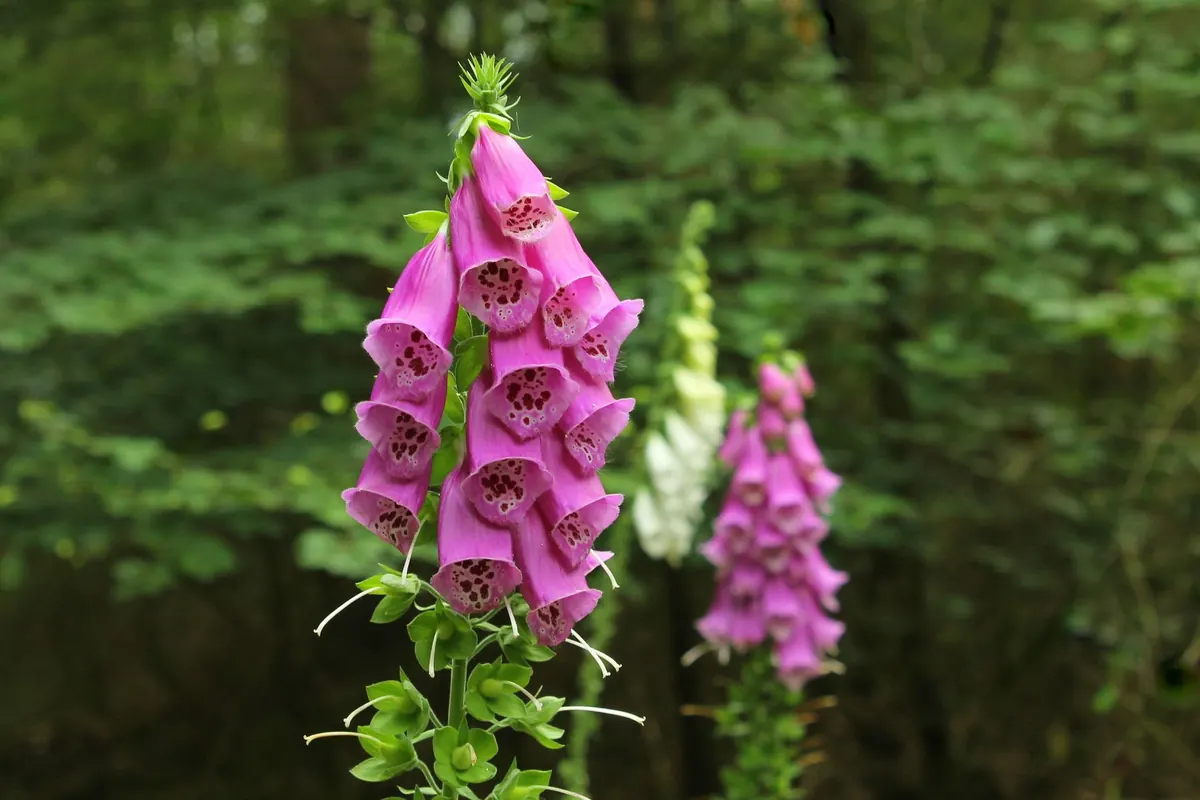
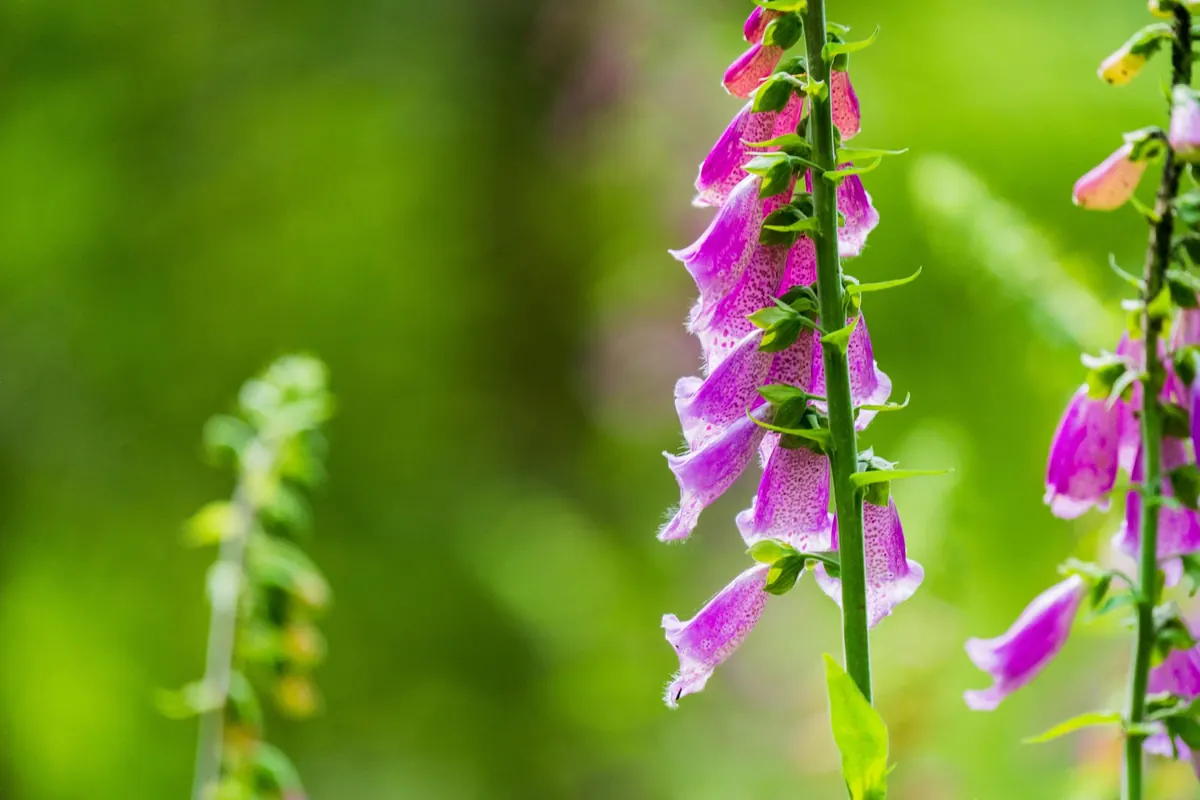
By the time a foxglove is in full flower, it has already spent a year being nothing much: a low rosette of soft, grey-green leaves that most visitors to the garden walk straight past. Then June arrives, the stem shoots up, and the plant becomes a tower of hanging purple bells. It is beautiful, slightly sinister, and impossible to ignore. That may be why it has collected so much storytelling.
The folklore around foxglove is unusually rich, and unusually consistent. Wherever it grows, people gave it names about hands and bells and the fairies who supposedly sheltered inside it. Meanwhile, in a parallel track, herb women were using it as medicine in doses so fine they had to be counted by the spoonful, for a condition we would now call heart failure. Here is what the old stories say, and what is worth knowing before you plant any.
A Plant with a Dozen Names
Foxglove has more regional names than almost any plant in a British or Irish hedgerow, and reading them together is like listening to a dozen neighbours describe the same person. Three themes keep returning: hands, bells, and the fairy world.
- Fairy's glove, fairy thimbles, fairy bells, fairy cap
- Fox's glove, fox fingers, fox bells
- Dead men's bells, dead man's fingers
- Witch's bells, witch's thimbles
- Our Lady's gloves, gloves of Our Lady, Mary's glove
- Lion's mouth, dragon's mouth, rabbit's mouth — for the open throat of the flower
- Bloody fingers and bloody bells — for the purple-spotted forms
Notice how few of these names describe the plant botanically. Almost none of them mention leaves or seed or root. They describe something a person might be wearing, holding, or hearing. That is the whole trick of foxglove: it does not look like a plant so much as a set of small, discarded objects belonging to somebody else.
Fairies, Foxes, and the Glove That Wasn't
The most common explanation for the name "foxglove" is that it is a corruption of "folks' glove," where folks was a polite, slightly nervous word for fairies. It is the same instinct that made people say "the good people" instead of naming them directly. Calling the flower a fairy's glove was a way of acknowledging who it belonged to without drawing attention.
There is also the fox story, told all over Britain and northern Europe: that foxes slipped the flowers over their paws to soften their footsteps so they could raid henhouses in silence. It is a lovely image, and almost certainly a back-formation invented to explain the name. Both versions can live side by side. Folklore rarely insists on a single answer.
In Ireland and parts of Scotland, foxgloves were said to belong to the fairies outright. The bells were their gloves, their hats, their thimbles. Picking the flowers was asking for trouble; carrying them indoors was worse. In Welsh the plant was called maneg ellyllon, elves' glove, and the caution was the same. Children were warned off as much for their own safety as for the fairy etiquette, since every part of the plant is poisonous.
Bells for the Dead
Where the fairy names are playful, the death names are not. "Dead men's bells" hung over the plant for centuries, and the association with churchyards did a lot of work for it. Foxgloves like ground that has been disturbed: hedge banks, woodland clearings, old walls, tips of rubble, the edges of graveyards where soil gets turned and lime leaches out. They turned up where people were buried, and people drew the obvious conclusion.
A common thread in the superstitions is that foxglove should stay outside. Some households would not have a stem in the house at all; others said a flower brought indoors predicted a death in the family. Whether you believe any of it or not, the practical advice behind the taboo was sound. Keep it out of reach of children, and wash your hands after handling it.
Foxglove in Folk Medicine
Before medicines were made in factories, plant knowledge lived in kitchens, herb gardens and the memories of local women who were paid in eggs and gratitude. Foxglove appears in herbals from the sixteenth century onward, usually for external use: poultices and salves for bruises, scabs and stubborn sores. Internal use was rarer and far more cautious, because everyone noticed how violently sick it could make a person.
The Dropsy Cure
The condition that made foxglove famous was dropsy — what we would now understand as swelling caused by fluid building up, often because the heart is failing. Foxglove made people pass water and steadied a struggling heartbeat, so it looked, for a while, like a cure. The margin between a helpful dose and a dangerous one was desperately narrow, and the signs of overdose were distinctive: vomiting, a slow and irregular pulse, and disturbed colour vision.
From Cottage to Clinic
In 1785 a physician named William Withering published An Account of the Foxglove, drawing on a recipe he is said to have obtained from a herb woman in Shropshire. What made his book unusual was not the enthusiasm but the caution. He spent years working out how much to give, when to stop, and which patients it would not help. Chemists later isolated the active compounds, and purified heart medicines followed. One of them, digoxin, is still prescribed today for certain heart conditions, in doses measured to the microgram.
None of that makes foxglove a home remedy. Every part of the plant is toxic, fresh or dried. A leaf or two can make an adult seriously ill, and a child or a dog chewing a flower is a genuine emergency. Do not make tea, do not make a salve, and do not try to copy an old recipe. If someone has eaten any part of a foxglove, treat it as an emergency and contact poison control or emergency services at once; for a pet, call the vet. Any question about heart medicine belongs with a doctor or pharmacist, not with the flowerbed.
Growing Foxgloves with the Stories in Mind
If the folklore has you wanting a stand of your own, the good news is that foxgloves are generous and largely self-sufficient. They are biennials or short-lived perennials: sow one year, flower the next, then seedlings carry on the line if you let them. A short sequence that works well:
- Sow seed in early summer on the surface of moist compost. Light helps germination, so do not bury it.
- Prick out seedlings into pots once they are large enough to handle, and keep them watered through the summer.
- Plant out in autumn where you want flowers the following June. Dappled shade to open sun suits them; soil should be moist but free-draining, and they do best on the acid side of neutral.
- Leave a few seedheads to ripen and shake them where you would like more. Cut the rest before they scatter if you want to keep the colony in check.
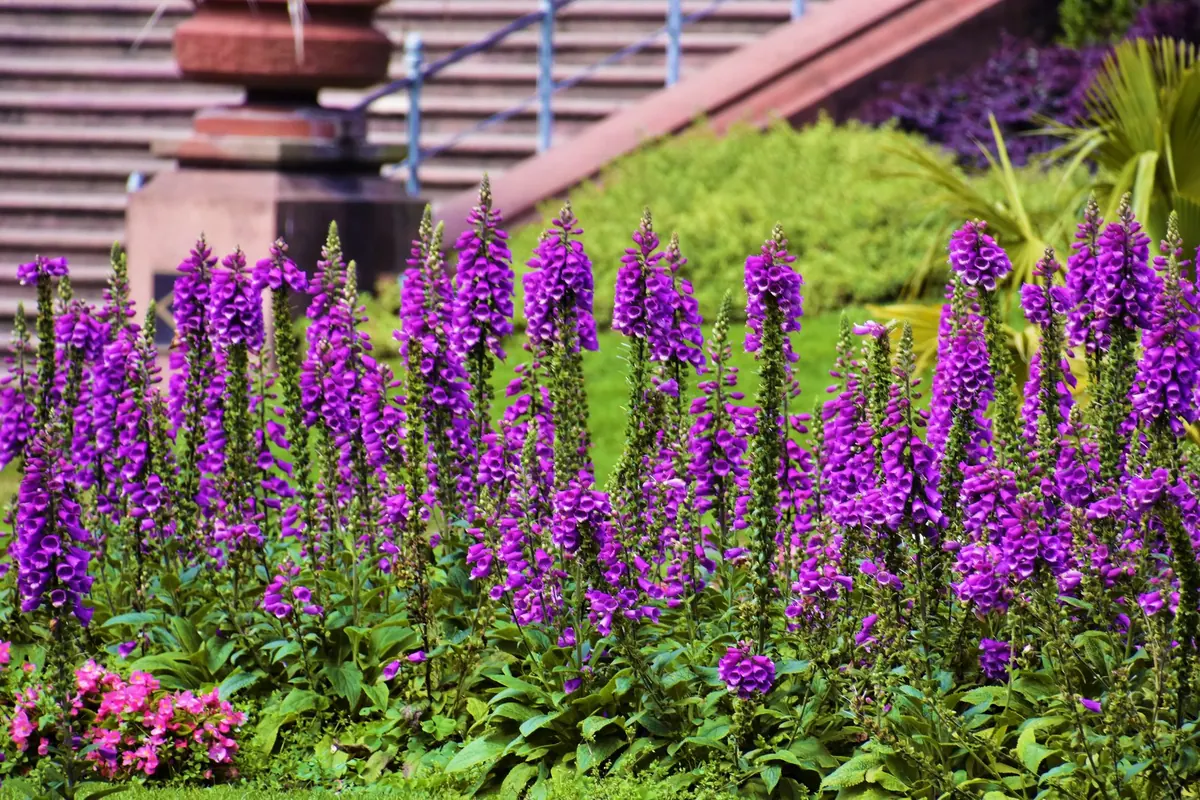
Two small practicalities. First, the flowers are built for bumblebees — the tube is deep, and a bee has to be heavy enough to push its way in, which is why you rarely see honeybees working them. Leave the stems standing into winter and you will also feed goldfinches from the seed. Second, wear gloves when you handle the plants, especially when cutting stems, and keep prunings, flowers and seeds away from toddlers, cats, dogs and grazing animals. A tall stand of foxgloves at the back of a border, near a hedge or under deciduous trees, looks exactly like the sort of place the stories came from. That is rather the point.